OK — so there’s a second contract on the Sunset house.
We found out about it three days after we closed.
One house. Two contracts.
The obvious questions are how and why.
There’s nothing physically stopping a seller from signing more than one contract.
But is the second one valid?
Usually not.
And in North Carolina, things get even more nuanced because we’re a race-to-record state. The first person to close and record the deed to the property owns it.
Thankfully, that was me.
Now — if you’re wondering how someone can be in the real estate business without ever actually buying property… or why I never heard back from the other “investor” who had it under contract…
Here’s where it gets interesting.
The other investor had no intention of buying the house.
Not “might not buy it.”
Not “if the numbers work.”
Just — not buying.
His entire model is to put properties under contract and then attempt to sell those contracts to someone else.
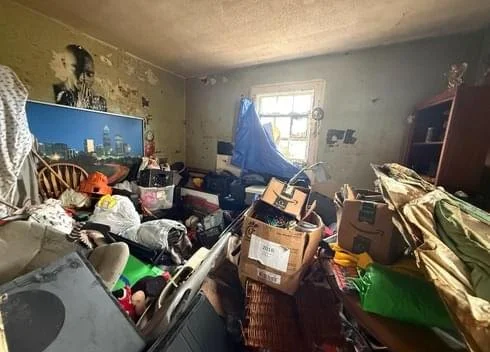
If he finds a buyer — great.
If he doesn’t — the deal dies.
The seller loses time.
The downstream buyer — Tanya in this case — loses the opportunity.
Nothing closes.
That model is called wholesaling.
There’s nothing inherently wrong with wholesaling.
But there’s often a lot wrong with how it’s practiced.
Like a magic show — misdirection, smoke, mirrors.
And at the root of it? Capital.
Many wholesalers don’t have the funds — or the access to funds — to close.
So if they can’t move the contract, the transaction collapses.
Sometimes the seller doesn’t find out until they’ve packed. Or moved.
Now look — assigning contracts is legal and common.
We closed on an assignment this morning.
But here’s our rule:
If we sign it, we can close.
Period.
If we assign, it’s because we choose to — not because we have to.
We have the capital.
We have the lenders.
We can take title.
If no end buyer shows up, we close anyway.
That’s the difference.
Because when you can’t close, you’re not buying houses.
You’re marketing contracts.
And that distinction matters.
Especially to sellers who believe their house is sold.
Wholesaling itself isn’t unethical.
But signing contracts you can’t perform on?
That’s where things drift.
We buy.
Sometimes we assign.
But we don’t sign what we can’t close.
That’s the line.
And 403 W. Sunset?
Closed.
Up next — Part Three:
Why did the seller sign more than one contract?
And why would anyone sign a contract when there’s already another in place?